How to Choose the Digital Piano
- Elena K
- Mar 8
- 3 min read

Choosing the right digital piano can feel overwhelming with so many options available. Whether you are a beginner or an advanced player, finding a piano that fits your needs, space, and budget is key to enjoying your music journey. This guide breaks down the most important factors to consider, helping you make a confident choice.

Sound Quality and Key Action Matter Most
When selecting a digital piano, sound quality and key action should be your top priorities. The piano’s sound should be rich and natural, closely mimicking an acoustic piano. Look for models that use high-quality sampled sounds from real grand pianos.
Equally important is the key action. Weighted keys simulate the resistance and feel of an acoustic piano’s keys, which is essential for developing proper finger strength and technique. Avoid models with non-weighted or semi-weighted keys if you want a realistic playing experience.
Weighted keys are a must, especially for beginners who want to build good habits and for advanced players who need expressive control.
Portability and Size: Full 88 Keys Are Essential
A full keyboard with 88 keys is the standard for serious piano playing. It allows you to play a wide range of music and develop skills that transfer to acoustic pianos.
While some digital pianos are compact and portable, many full 88-key models are larger and heavier. Consider your space and how often you might need to move the piano. If portability is important, look for models designed to be lighter without sacrificing key quality.
Avoid smaller keyboards with fewer keys if you want a complete playing experience.
Features for Beginners Are Less Important Than Core Quality
Many digital pianos offer extra features like built-in sounds, rhythms, and connectivity options such as Bluetooth or USB. While these can be fun, they are not essential for beginners focused on learning piano fundamentals.
Prioritize sound quality and key action over bells and whistles. You can always add accessories or software later if you want to explore different sounds or connect to apps.
Budget Considerations and Recommended Models
Digital pianos vary widely in price. For beginners and intermediate players, models like the Roland FP-10, Roland FP-30, and Yamaha P-45 offer excellent value. They provide authentic weighted keys and good sound quality without breaking the bank.
Roland FP-10: Compact, great key action, and clear sound. Ideal for beginners with limited space.
Roland FP-30: More powerful sound engine and better speakers, suitable for intermediate players.
Yamaha P-45: Affordable and reliable, with a realistic feel and sound.
If you have a higher budget, consider stepping up to models with enhanced features and better sound systems.
Recommendations for Beginners vs. Advanced Players
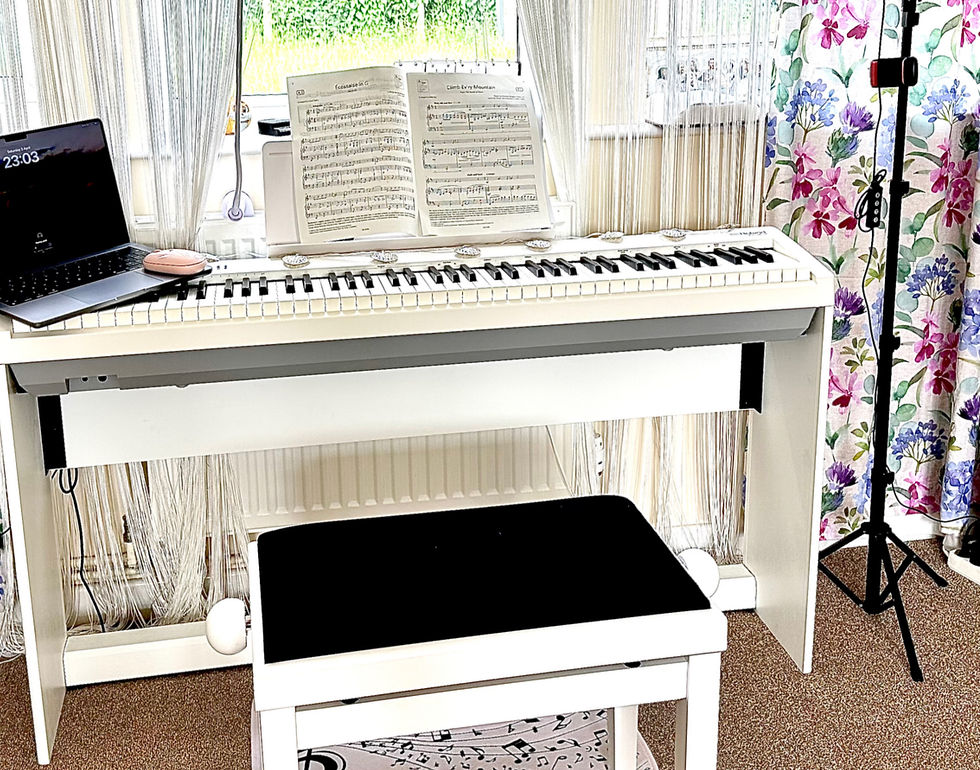
Beginners should focus on a digital piano with weighted keys, full 88 keys, and a sturdy stand. Avoid cheap stands like the X-stand, which can be unstable and affect your playing posture. A solid stand supports better technique and comfort.
Advanced players may want additional features like better sound engines, more polyphony, and connectivity options. Still, the foundation remains the same: weighted keys and full keyboard.
Tips for Testing Digital Pianos In-Store and Online
Testing a piano before buying is crucial. Here are some tips:
In-store testing: Play scales, chords, and pieces you know well. Pay attention to the feel of the keys and the sound quality. Try different volume levels and listen for clarity and richness.
Online research: Watch video demos and read reviews from trusted sources. Websites like Tomann offer detailed product descriptions and customer feedback that can guide your choice.
Compare models: If possible, test several models side by side to notice differences in key action and sound.
Final Thoughts
Choosing the right digital piano means balancing sound quality, key action, size, and budget. Focus on weighted keys and a full 88-key keyboard to ensure a rewarding playing experience. Models like the Roland FP-10, FP-30, and Yamaha P-45 are excellent starting points. Remember to invest in a sturdy stand to support your practice.
Take your time testing pianos in-store or researching online to find the one that feels right for you. Your perfect digital piano will inspire you to play more and enjoy every note.


Comments